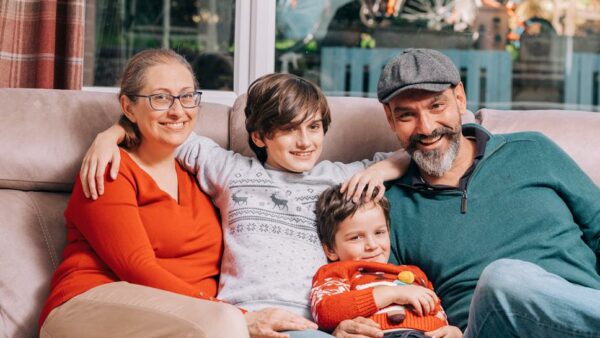
Warren’s daughter, Ophelia-May, lives with spinal muscular atrophy (SMA) type 2. He shares the uncertainty before her diagnosis, the difference treatment has made, and why he’s campaigning for newborn screening in Wales.
“We cannot change the beginning of Ophelia’s story, but we can fight to make sure the next family’s story begins differently”

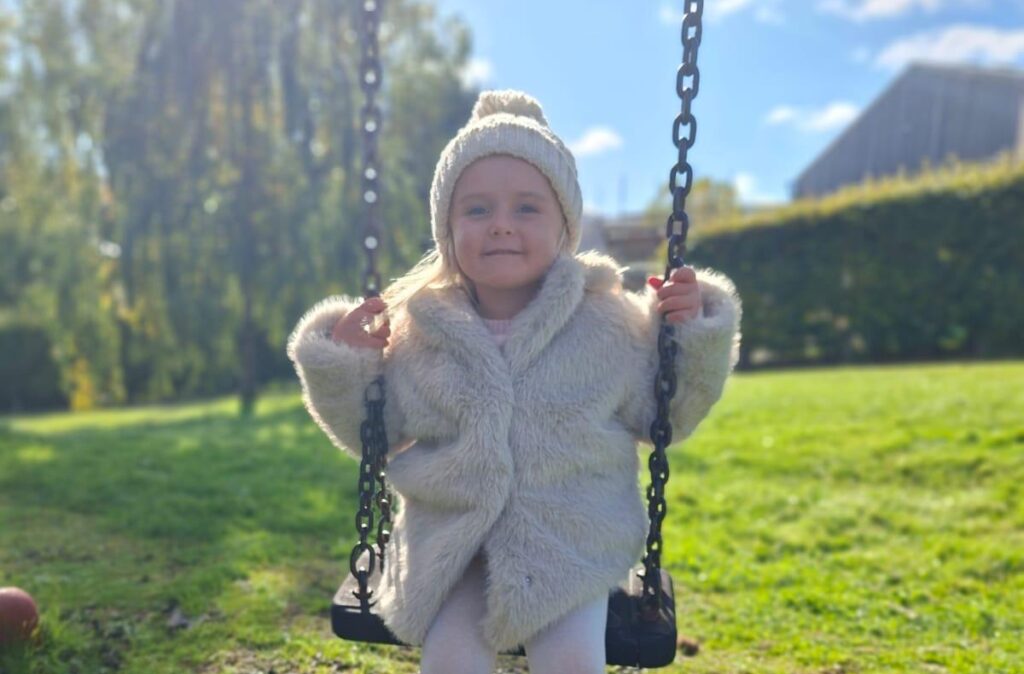
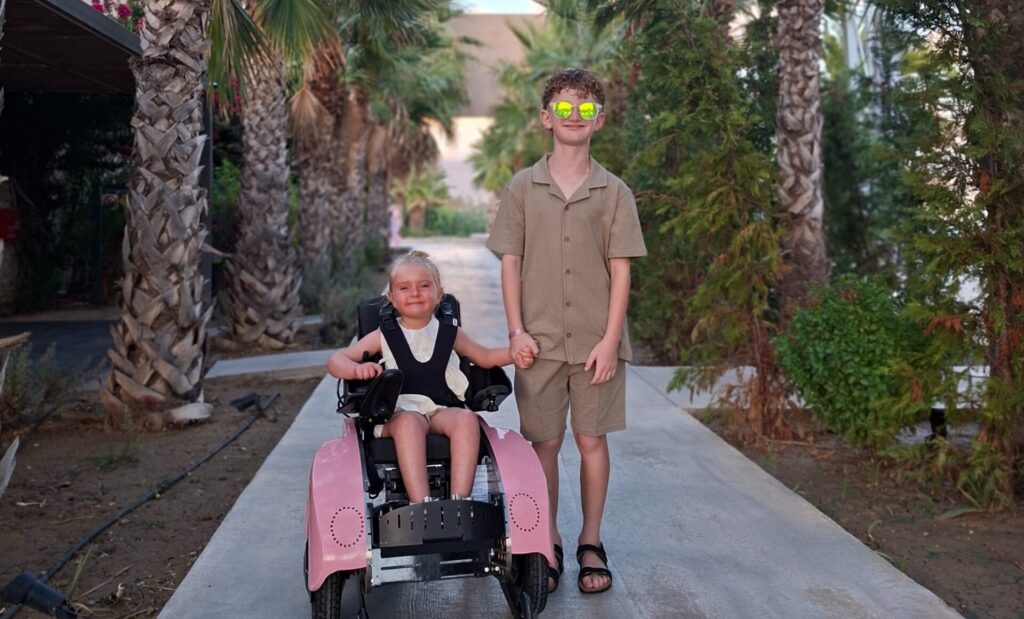
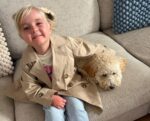
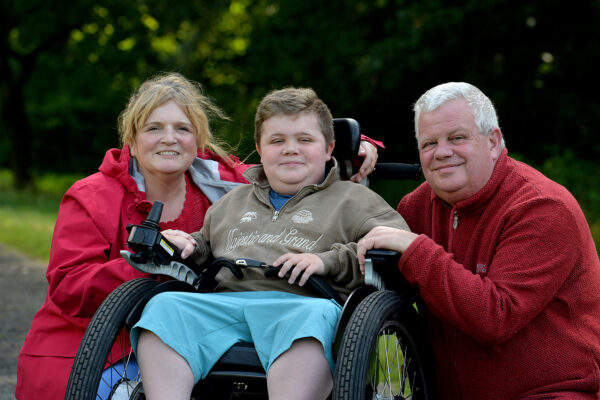
When Ophelia was born in September 2022, she completed our family. There’s me, my partner Rhiannon, our son Dawson and our little girl. She’s funny, loving, stubborn and determined. She adores her brother and lights up a room. We just never expected her to be diagnosed with a life changing condition.
Watching Ophelia lose strength
For the first few months of Ophelia’s life, everything seemed normal. Then we noticed difficulties with feeding and weight, and a reduction in her strength. She’d been able to lift her head during tummy time, but she began losing that ability. Watching your child lose something they could do before is beyond frightening.
We saw different professionals and repeatedly raised our concerns but were reassured that children develop at different rates and she would eventually crawl and walk. We desperately wanted that to be right, but the problems continued. There were appointments with paediatric teams, health visitors, dietitians, orthotics and orthopaedic specialists. Each concern seemed to take us down another pathway. Meanwhile, we were left wondering whether we were overreacting, even though our instincts told us something wasn’t right.
“We knew something was wrong, but we didn’t know what it was or how to make others see the complete picture.”
Getting the diagnosis
I remember the consultant saying: “Ophelia has spinal muscular atrophy.” Everything afterwards became blurred. We didn’t know the type yet or what her future might look like. Further specialist assessments and genetic testing followed at Noah’s Ark Children’s Hospital in Cardiff.
I felt numb. Ophelia was still the same little girl she’d been that morning. She hadn’t changed, but everything around her had. My partner and I just sat in the car afterwards, not knowing what to say or how to comfort each other.
The difference treatment and support have made
Ophelia takes Risdiplam daily to reduce the deterioration of SMA. We’ve seen real improvements in her strength and what she can do, which has given her confidence to take part more fully in daily activities.
There’s a whole team of people supporting Ophelia now. Physiotherapy helps her strength, mobility and independence. Play therapists helped her play and laugh in hospital, reminding us she was our little girl, not just a patient. Support from family, friends and other SMA families has helped us feel less alone. Respiratory specialists, cardiologists, physiotherapists and occupational therapists assessed different aspects of her health and development at the beginning of our journey. It was overwhelming, but having that support gave us knowledge, direction and hope. It helped us focus on her opportunities and achievements, rather than the challenges ahead.
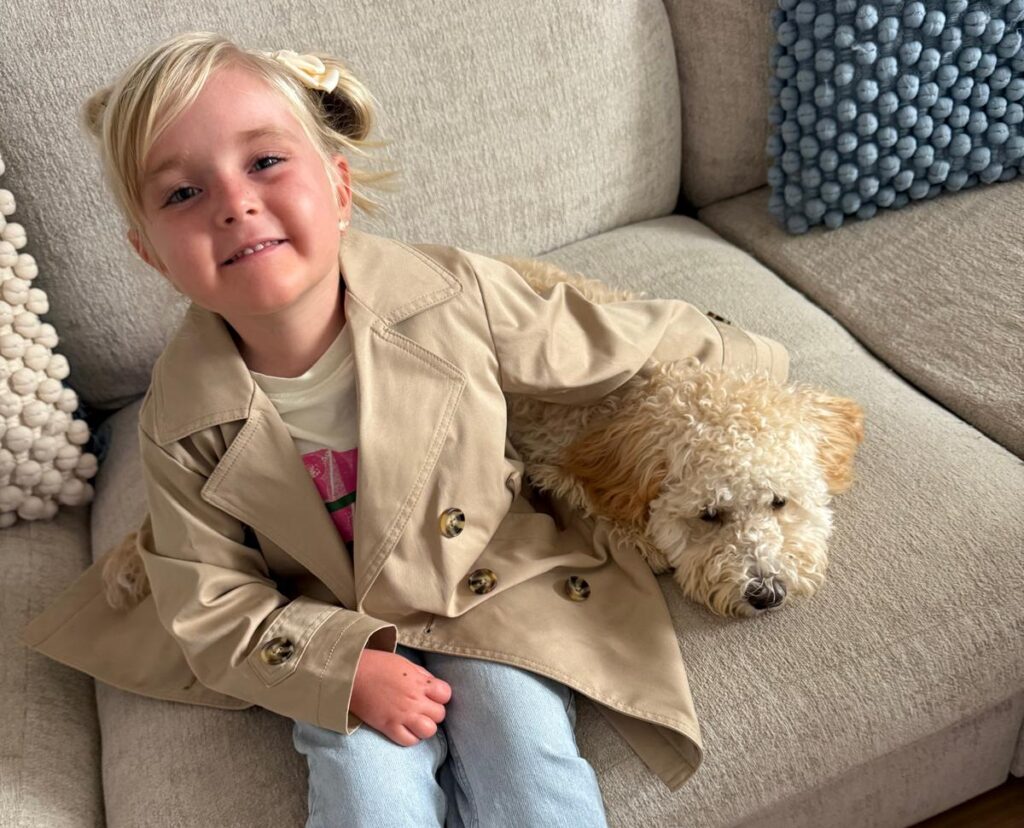
There are appointments, worries and difficult days. I’ve cried alone in the car before returning to work or going home. I’m also conscious that Dawson needs time and attention. But I’ve learnt sadness and happiness can co-exist. We still have birthdays, days out, laughter and cuddles on the sofa. I try to focus on that.
Why we’re campaigning for newborn screening
I’ll never know exactly what newborn screening would have meant for Ophelia’s individual outcome. But knowing sooner would have meant earlier specialist advice, support and discussions about treatment, without months of uncertainty. It would have helped us prepare emotionally and practically. Instead of waiting for someone to connect the symptoms, we would have had information to help us understand her needs and make informed decisions. Families shouldn’t have to watch their child lose abilities before getting answers.
Sharing our story publicly felt uncomfortable at first because it meant returning to painful moments. But if speaking to the Daily Mirror, ITV Wales, Good Morning Britain and social media could help another family get answers sooner, it was worth it. I don’t see it as media work; I see it as parenting.
I hope policymakers will start listening to parents and look at the whole child. Our campaign isn’t about blame; it’s about making the journey better for the next family. We’ve met many compassionate, dedicated professionals. I want our experience to help improve the system, so concerns about feeding, weight and strength are considered together. Parents may not have the medical answer, but they often notice the first questions. Every baby in Wales deserves the best possible start, and every family deserves timely answers.