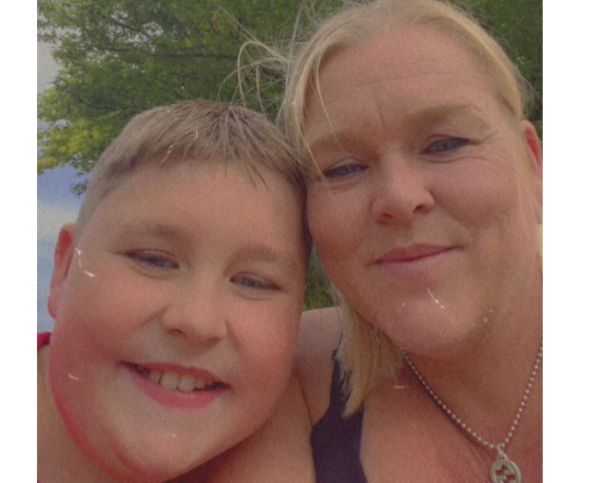
For most people, going into hospital means putting yourself in the hands of doctors and nurses and trusting that you will get the care you need. But what if some of the care you rely on every day isn’t something hospital staff can simply pick up? One of our volunteers, Sarah Rose, explains why this issue is important and why she’s backing a petition to help.
Are people with complex needs getting the support they need during hospital admissions?

For many people with muscular dystrophy and other complex disabilities, our support is highly individual. It might involve help with positioning, communication, ventilation, personal care, eating and drinking, or recognising the small signs that something isn’t right.
Often, the people who understand those needs best are our family members, carers or Personal Assistants (PAs). Yet when we go into hospital, there is no consistent guarantee that those people will be able to continue supporting us.
A problem that keeps coming up
I have been involved in campaigning on this issue as Chair of Trustees at Pathfinders Neuromuscular Alliance and a committee member of ILG Community after hearing repeatedly from disabled people and families about difficulties maintaining essential care during hospital admissions.
The more I have looked into it, the clearer it has become that what sounds like a relatively simple issue is anything but.
Who pays a PA while someone is in hospital? Is the NHS Trust responsible, or the organisation funding the person’s care at home? What tasks can a PA continue to carry out? What happens if a hospital says they cannot provide care, but the person’s usual care funding is stopped because they have been admitted?
Different funding arrangements, local policies and interpretations can result in very different experiences depending on where you live and who funds your support.
And while organisations debate who is responsible for what, the person lying in the hospital bed is the one who carries the risk.
This isn’t about replacing nurses
One thing that is really important to me is that this campaign isn’t about saying that families or PAs should replace hospital staff. They shouldn’t.
It is about recognising that people with complex needs may have care and support that cannot simply be handed over at the hospital door.
A PA who supports someone every day may know exactly how they need to be positioned to breathe comfortably, how they communicate when they are tired, how their equipment works, or that a tiny change in their behaviour is a warning that something is wrong.
That knowledge matters and can be crucial. For some it is about comfort and dignity. For others, it can be about safety.
There has been progress – but not enough
This issue has gained increasing recognition, and Skills for Care have produced specific guidance on Personal assistants continuing to support people during a hospital admission. The Care and support statutory guidance issued under the Care Act 2014 also specifically considers what should happen to direct payments and PA arrangements when someone is admitted to hospital. More recently, Regulation 9A was introduced in England in 2024, strengthening the rights of patients to receive visits and to be accompanied in hospital.
These are important steps, but the problem is that guidance does not necessarily translate into consistent practice. Being allowed to have someone with you is not the same as having a clear, workable system that enables your usual support to continue.
Our work has highlighted just how much variation still exists. Policies, funding arrangements and practice can differ between areas, leaving disabled people and their families trying to negotiate all of this at precisely the point when they may be ill, frightened or in crisis.
Getting contracts in place or putting proposals to a panel are processes that take time and place another layer of admin and coordination on the employer. I would like to see having our usual caregivers with us in hospital environments as the default option and no longer hear of people with complex care needs postponing investigations or treatment because they fear being without the right care.
Why I am supporting a petition
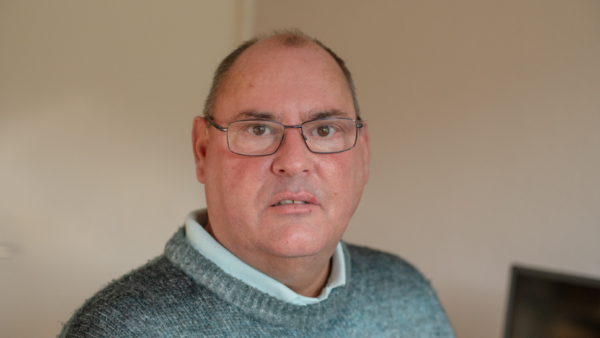
A petition has been launched by Nina Parry, calling for the Government to issue guidance so carers can continue care visits for disabled patients in hospital.
There may be genuine questions around funding, clinical responsibility, employment and accountability that need to be worked through. However, complexity cannot be an excuse for leaving people unsafe.
We need a system where responsibility is clear before somebody reaches crisis point; where hospitals, commissioners and care funders know what is expected of them; and where the individual and the people who know them best are part of the conversation.
Most importantly, we need consistency.
A person’s ability to receive the support they need in hospital shouldn’t depend on their postcode, their funding arrangement, or how successfully they or their family can argue their case.
How you can help
If you agree that people with complex care needs should be able to maintain the support they need when they go into hospital, please sign the petition before it closes on Thursday 8 October 2026.