
A new study from the UK SMA Patient Registry has shown how people living with spinal muscular atrophy (SMA) can play a direct role in evaluating treatments by sharing their experiences of living with the condition.
Listening to the SMA community: how patient experiences are helping shape treatment decisions
22 September 2026
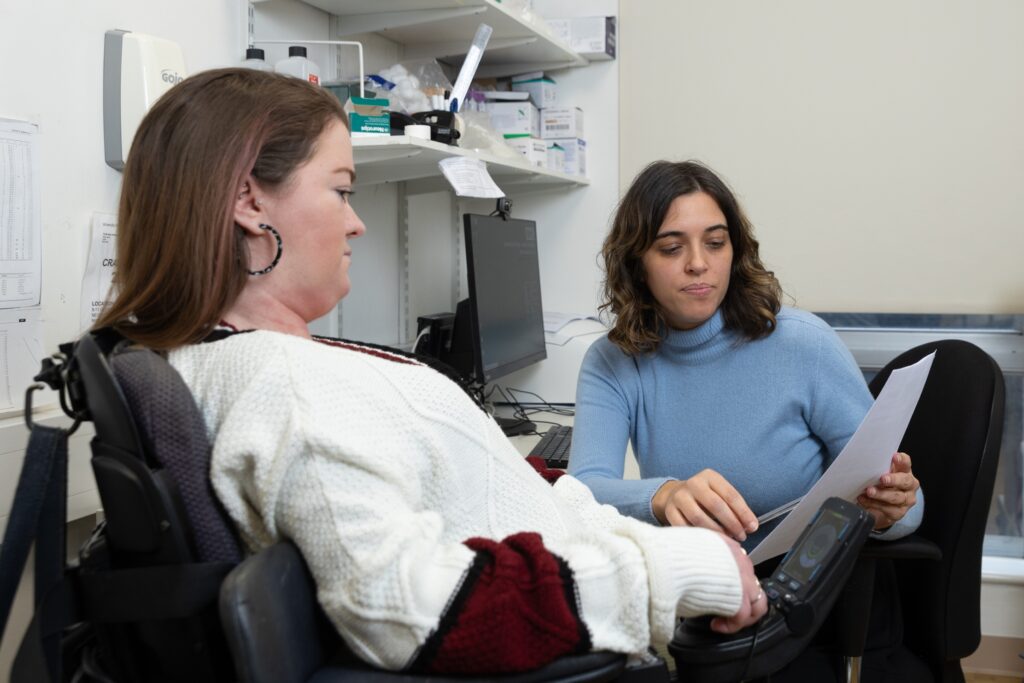
A new study from the UK SMA Patient Registry has shown how people living with spinal muscular atrophy (SMA) can play a direct role in evaluating treatments by sharing their experiences of living with the condition. The research was a collaborative effort involving clinicians, researchers and patient organisations.
Researchers analysed information collected through the UK SMA Patient Registry between 2022 and 2025. During this period, more than 360 people with SMA and family members completed over 3,700 questionnaires about their health, wellbeing, daily activities and experiences of treatment. This information was used alongside clinical data to support national reviews of the SMA treatments nusinersen (Spinraza) and risdiplam (Evrysdi).
Why does this matter?
Clinical assessments can measure changes in muscle strength, mobility and physical function, but they do not always capture what life is really like for people living with SMA.
This study shows the importance of collecting information directly from people living with SMA and their families. By including patient-reported outcomes alongside clinical data, researchers can build a more complete picture of how treatments affect everyday life.
What did the study find?
Researchers found that people with greater physical function often reported higher levels of independence. They also found that despite having different levels of physical ability, people had similar levels of overall health. Experiences of anxiety and depression were also reported across the SMA community, regardless of motor function. These findings highlight that physical ability is only one aspect of living well with SMA.
Ensuring the community’s voice is heard
One of the most important outcomes of the project was demonstrating that patient registries can successfully collect meaningful information directly from people living with SMA and their families. This patient-reported information provided a valuable perspective that complemented data collected in clinics and helped ensure that the experiences of people with SMA were represented in treatment evaluations.
What happens next?
The UK SMA Patient Registry will continue collecting information from people living with SMA and their families. Researchers plan to work with the SMA community to ensure the questionnaires capture what matters most to patients and to explore how patient experiences can best be used alongside clinical assessments in future research and treatment evaluations.
This work, which Director of Research and Innovation Dr Kate Adcock contributed to, highlights the growing importance of the voices of people with lived experience in research and healthcare decision-making, helping to ensure that future advances in SMA are informed not only by clinical outcomes, but also by the experiences of the people living with the condition every day.