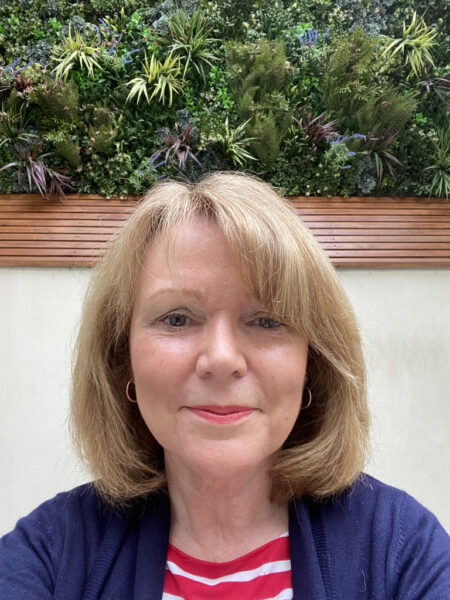
International Day of Women and Girls in Science is a moment to reflect not only on scientific discovery, but on the people behind it. Isobel Haslam is a PhD researcher and shares what her current research is focused on, how she got into the muscle wasting condition research space, and the highs and lows of being a young woman in the landscape.
Using nutrition to improve quality of life for the muscle wasting community: my journey as a woman in science

Research with immediate impact
I am researching how dietary protein affects muscle health and quality of life in adults with Becker muscular dystrophy (BMD). Previously, this has been an under-researched condition, with most work focused on finding treatments. Our aim is to improve quality of life for those with BMD now by identifying strategies that can have immediate impact. I want nutrition to be used as a supportive, empowering tool, rather than something to be restricted. Having experienced first hand how powerful nutrition can be for physical and mental health, I’m passionate about using it in a positive, evidence-based way to support people with BMD.
We have recently characterised diet and its relationship between physical function and quality of life in BMD. This led to the current project looking at how adults with BMD process protein and whether adding an amino acid called leucine to their diet can improve muscle strength and overall health. By understanding these responses, we hope to contribute to the development of simple, practical dietary strategies that help maintain muscle, independence and quality of life today.
Choosing a career in science
I’ve always been fascinated by how the body adapts to stress, illness, and recovery, which led me to complete my undergraduate and postgraduate degrees across sports physiology and nutrition. As I learned more about the mechanisms that allow the body to function and perform well, I became increasingly interested in how these principles could be used to improve the lives of people navigating long-term health conditions.
On a personal level, I completed my previous academic qualifications while being diagnosed with and recovering from anorexia. That experience gave me first-hand insight into how misunderstood nutrition can be, and how closely food, health and identity are intertwined. During that time, I often felt perceived as fragile, underestimated, or as though I shouldn’t take on too much. That experience made me more aware of how easily people with varying health conditions can too be limited by others’ expectations. It ultimately motivated me to use my scientific training to support people in ways that are empowering, evidence-based and focused on improving quality of life rather than reinforcing limitations. I feel as a woman in science, it is important to be vocal about issues like this, allowing others to feel seen, less alone and empowered to achieve anything.
The rewards and challenges of research
I enjoy knowing that this research could directly improve quality of life. Being able to work face-to-face with people living with muscle wasting conditions and learning from their experiences has also been deeply rewarding. This work has connected me to a supportive research community, collaborating with health professionals and engaging with charities like Muscular Dystrophy UK. Knowing that my work could contribute to real-world impact, both in the scientific and wider community, is what I find the most rewarding.
As a young scientist, learning to manage self-doubt and imposter syndrome can be really difficult. Surrounded by so many brilliant researchers and health professionals, it’s easy to think, “Do I really belong here?” or “I should know more.” I’ve learned to remind myself that I’m just starting out, that this is an incredible opportunity to grow, and that meaningful research takes time.
On International Women’s Day, this challenge feels particularly relevant, because so many women in science face similar pressures. I try to use these moments as a reminder that perseverance, curiosity and collaboration are just as important as expertise. Celebrating the achievements of women in research inspires me to embrace my own journey, keep learning and support others starting out in science too.
The importance of funding from Muscular Dystrophy UK
The charity’s research grant has given me the chance to pursue a PhD that truly aligns with my scientific interests and personal values. It has enabled me to work directly with the neuromuscular community, access the right facilities and expertise, and collaborate with amazing health professionals. The support Muscular Dystrophy UK provides to early-career researchers also highlights just how important charity funding is in creating opportunities. Most importantly, this grant has allowed me to focus my research on the needs of people living with BMD, and to contribute meaningfully as an early-career female researcher, helping make a real difference in people’s lives.
Believe in yourself and you’ll get there
For anyone who’s considering a career in science, I would say that you don’t have to be the ‘best’ or the ‘expert’ – curiosity, enthusiasm, and persistence matter more. Science needs diverse voices and perspectives, don’t be afraid to take up space and ask those questions. Struggles don’t disqualify you, they can shape your perspective and empathy. Your story can become the strength, even if it doesn’t feel like it at the time, and you deserve to be here!