
The Government’s Be Ready campaign encourages people to think ahead and prepare for emergencies that could disrupt everyday life, such as severe weather, which can affect services like power, water, and the internet. While being prepared is important for everyone, it can be particularly important for our community, who may rely on electricity, specialist equipment, medication and regular care to stay well.
Preparing for the Be Ready campaign with a muscle wasting condition
19 November 2026
A power cut or disruption to water supplies might be an inconvenience for some, but for others it could have a significant impact on their health, safety and independence. Taking a few steps now can help you feel more prepared and ensure you have access to the essentials you need.
How can you make sure people know what help you might need?
One of the simplest but most important steps is to build a local support network. Consider swapping contact details with neighbours and people in your local community. Let them know about your condition and whether there is anything you might need help with during an emergency. Having someone nearby who knows your circumstances can make a real difference if services are disrupted or carers are unable to reach you.
If you live in England, Scotland or Wales, you can sign up to the Priority Services Register (PSR). In Northern Ireland, you can register with the Care Registers. These are free services that alert utility companies to customers who need additional support if their electricity, gas or water supply is interrupted.
What would happen if you lost electricity?
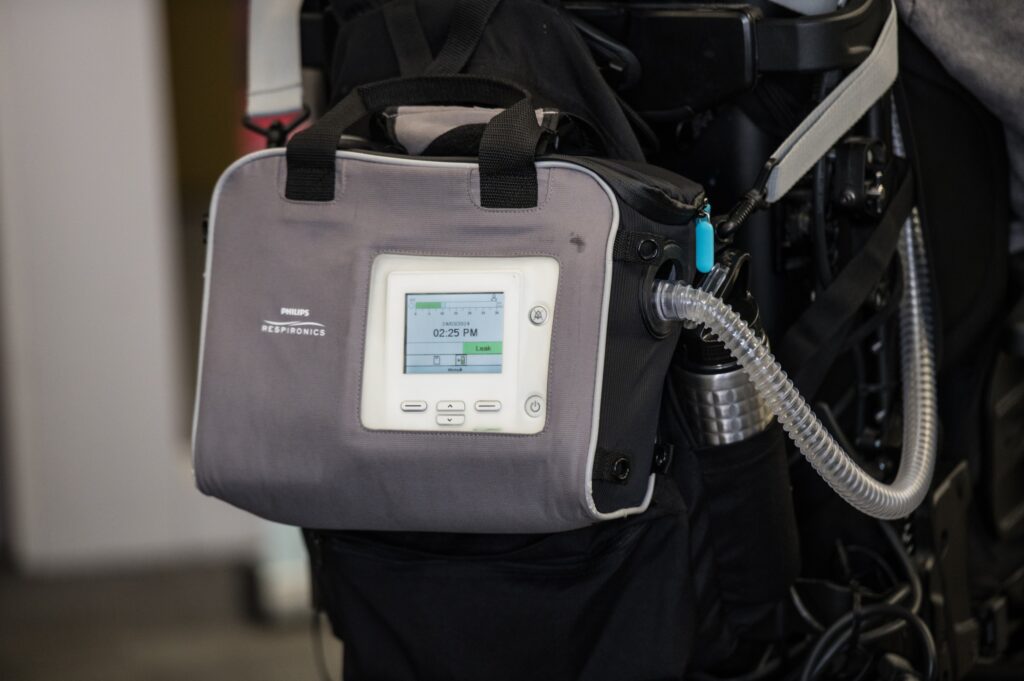
For many people in the neuromuscular community, electricity is essential for maintaining health and independence. Think about which equipment you rely on and what would happen if you lost power. This might include hoists, ventilators, cough assist machines, suction equipment, feeding pumps or a fridge used to store medication.
Some equipment, including ventilators and cough assist machines, can have external backup batteries. If you already have these, make sure you regularly discharge and recharge them to keep them in good working order. It’s also important to understand how long your equipment will run on a fully charged battery. If this isn’t enough to cover a potential outage, speak to your respiratory consultant about whether it might be possible to get an additional battery.
A generator could be another option if you’re particularly reliant on electricity, although these can be expensive. Registering for priority services and discussing backup batteries with your medical team are good starting points.
How much water should you have available?
The government recommendation is to be ready for three days, with three litres of water per person per day for drinking, and more for tasks like cooking and washing. However, people with muscle wasting conditions may need considerably more.
Think about how much water you use for medication, cleaning equipment and maintaining your respiratory care. If you use a ventilator with a humidifier, for example, or need water to clean medical equipment, these all add up and need to be accounted for. If you use distilled water for your needs, speak to your medical team about ensuring you have enough stocked up in case an emergency.
Do you have enough food and nutrition supplies?
Government guidance recommends having enough non-perishable food, that doesn’t require refrigeration or cooking, for three days. However, if you follow a specific diet or receive alternative nutrition, such as tube feeding, it’s important to think about how you would manage if the electricity supply was interrupted. Consider how many days of essential nutrition supplies you currently have and whether you could access them without power.
If you rely on a fridge to store medication or nutritional products, speak to your dietitian about an emergency plan. They may be able to advise on keeping additional supplies at home. Battery-operated mini fridges are also available and may be worth considering, depending on your needs.
Have you got enough medical and hygiene supplies?
General first aid kits are, of course, recommended, but consider what other hygiene and medical supplies you may need for your condition. This may include PPE for your carers or loved ones helping you with medical care, continence supplies, ventilator tubes and more. It may be helpful to contact the providers and get extra supplies, as well as discussing what would happen if deliveries or services were disrupted.
How will you keep warm and stay safe?
Many people with musclewasting conditions feel the cold more than others, and being cold can make symptoms such as fatigue and muscle stiffness worse. If your heating stopped working, would you have enough blankets and warm clothing to stay comfortable?
Lighting is equally important. Make sure you have torches and spare batteries available. This will help you move around safely, particularly if you experience balance difficulties, and allow carers to see what they’re doing when supporting you with personal care or medical equipment.
Are your important documents easy to access?
Finally, make sure you have copies of important medical information readily available. This could include medical letters, medication lists, emergency contacts and care plans. Having printed copies means you can still access essential information if you lose power or cannot access electronic records. Our condition specific alert cards are a great physical form of information so that medical professionals know how to support you.
You’re not alone
Preparing for an emergency can feel overwhelming, particularly when you already manage complex health needs. You don’t have to do everything at once. Start by thinking about the things you rely on most and gradually build a plan around your individual circumstances.
'Be Ready'
Find out more about the Government campaign
We're here for you
Our helpline is open Monday to Friday, 10am to 5pm.
More news

Women’s Health in Focus: new event spotlights issues and challenges
March 6, 2026

Duchenne and Bone Health: updated guidance for adults
January 12, 2026
Volunteers’ Week – thanking our volunteers
June 2, 2025