
Get the latest news, inspiring stories, upcoming events, and valuable support services delivered straight to your inbox.
Scientists find clues that a protein may play a role in XLMTM
10 November 2025
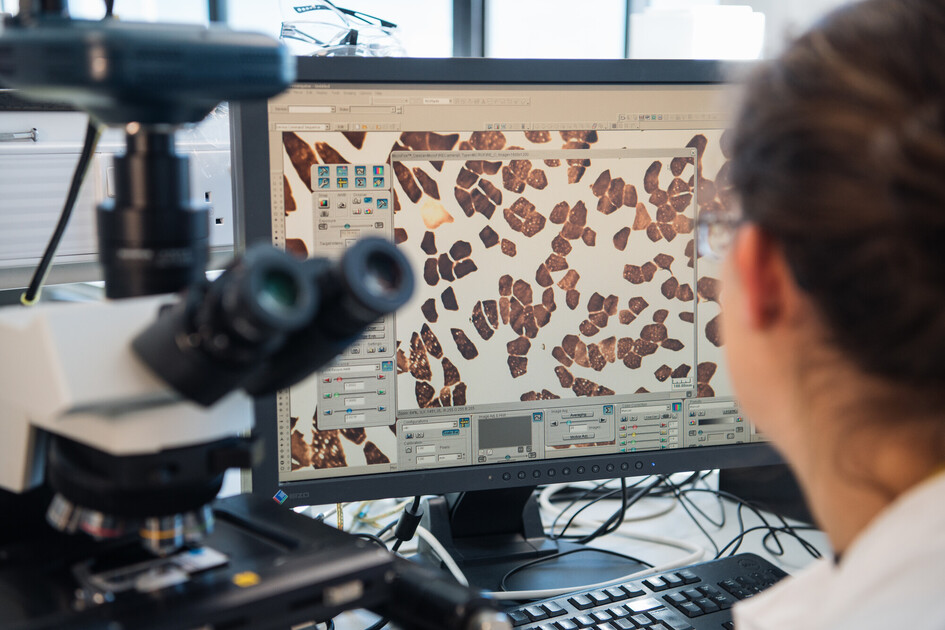
Scientists in Copenhagen have found that a protein called myosin might play an important role in X-linked myotubular myopathy (XLMTM). Understanding how this protein behaves could help scientists explore new ways to treat the condition in the future.
XLMTM is a rare condition that causes muscle weakness from birth or early childhood. It is caused by changes in a gene called MTM1, which means the body doesn’t make enough of a protein called myotubularin. Myotubularin helps muscles develop and stay healthy, but experts still don’t fully understand how its loss affects the body.
The new research shows that in XLMTM, myosin proteins look and work differently. Myosin is one of the main proteins that helps muscles contract and relax. It acts like a tiny motor inside muscle cells, using energy to pull on other proteins so muscles can move. In XLMTM, instead of resting and saving energy, they keep burning energy even when they shouldn’t. The scientists also found changes in other proteins that help muscles use energy and keep their structure.
The team studied mice with XLMTM-like changes to test a possible treatment. They gave the mice a drug called mavacamten, which slows down myosin’s energy use. After four weeks, the mice’s muscle proteins started to return to normal.
These early findings suggest that reducing myosin’s extra energy use may benefit people with XLMTM, but it’s still very early days and much more research is needed.